Curious About DIY Energy Projects?
Technical projects can be fascinating. Explore the basic ideas in the sales presentation and learn what an electricity experiment can — and cannot — demonstrate.
Independent publisher. We may earn a commission if you make a purchase. The seller calls its project experimental and does not provide independently verified performance here.
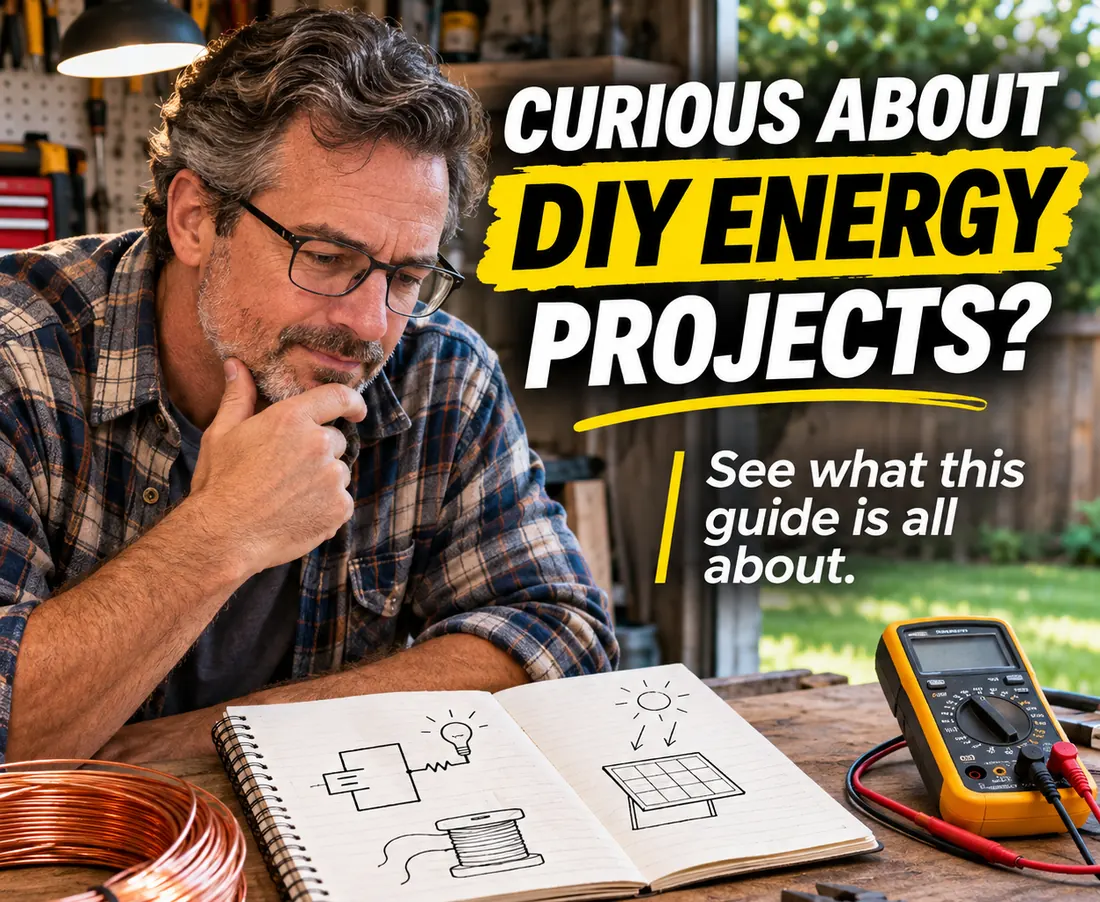
THE STORY
What should a DIY energy project demonstrate?
A credible electricity demonstration measures the power supplied to the experiment and the useful power delivered by it. Drawings, copper wire and a lit bulb alone cannot establish that a device creates surplus energy.
This independent overview does not endorse the seller’s performance claims. Review the details and make an informed decision rather than relying on visual demonstrations.
- What the video is claiming
- What information is available
- What remains unverified
BEFORE YOU BUY
A diagram is not a power-output test
A coil can be part of a legitimate circuit, but output depends on a source of energy. A multimeter photograph or drawing cannot prove a device will reduce household electricity purchases.
A PRACTICAL PERSPECTIVE
What to investigate next
Before buying, compare the pitch with verified technical information, real product terms and safer conventional approaches. A digital guide is not a substitute for professional electrical advice.
Read our evidence-focused overview →
QUICK ANSWERS
Questions worth asking
Is this a complete home power system?
No. The product is marketed as a digital DIY guide, not a finished, certified generator.
Are savings or electricity output guaranteed?
No. We have not independently verified the advertised output or potential savings.
Should I modify home wiring based on the video?
No. Consult a licensed electrician and applicable local authorities before electrical work.
See the presentation. Review the claims. Make your own decision.
Visit the seller's website to see the video and review the offer and refund terms.
WATCH THE VIDEO NOW