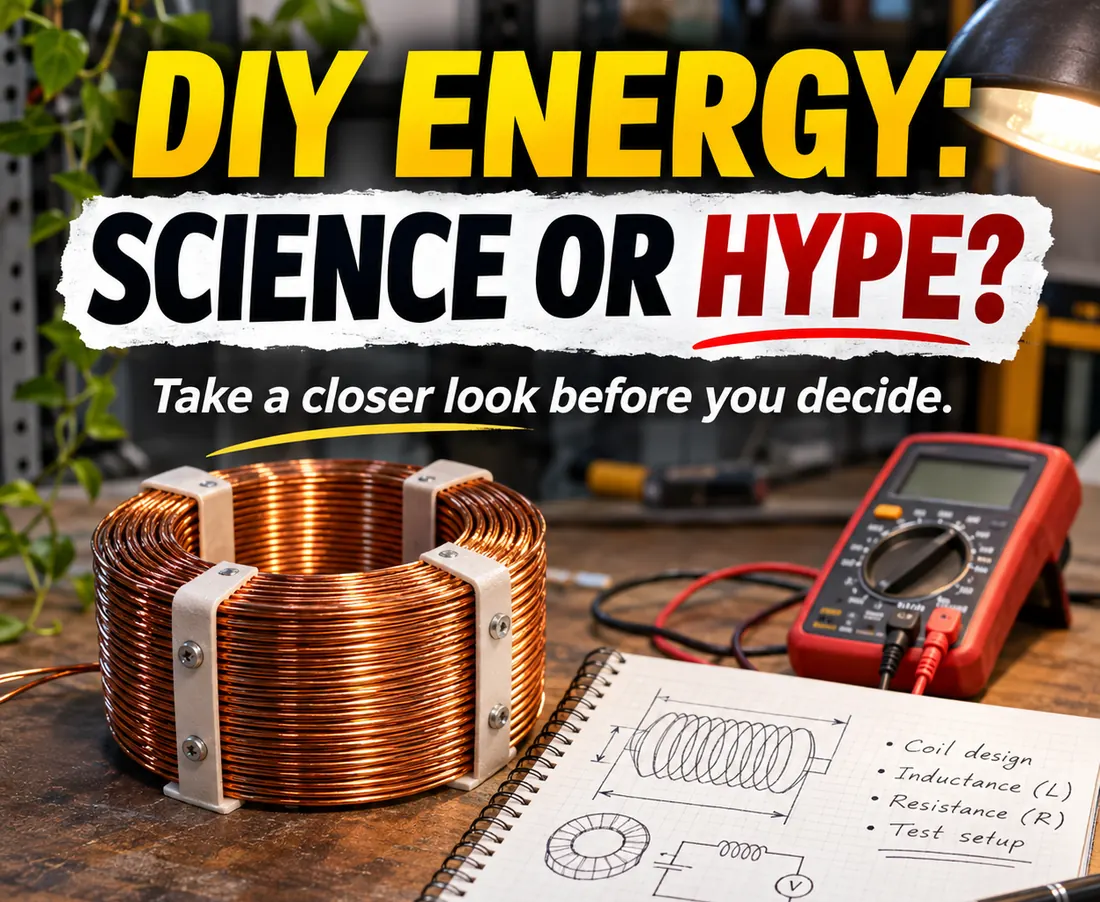
DIY Energy: Science or Hype?
An attractive project does not automatically produce useful electricity. Here is how to assess energy-generation claims before buying an experimental guide.
Independent publisher. We may earn a commission if you make a purchase. The seller calls its project experimental and does not provide independently verified performance here.
THE STORY
How do we tell scientific evidence from a sales claim?
Scientific testing needs clear methods, repeatable measurements and independent evaluation. The seller describes its project as experimental and technically unassessed, so advertised output and savings should not be treated as established facts.
This independent overview does not endorse the seller’s performance claims. Review the details and make an informed decision rather than relying on visual demonstrations.
- What the video is claiming
- What information is available
- What remains unverified
BEFORE YOU BUY
Look for independent measurements
A credible claim would include instruments, repeatable protocols and a clear statement of what energy source is involved. Electricity claims without those details warrant caution.
A PRACTICAL PERSPECTIVE
What to investigate next
Before buying, compare the pitch with verified technical information, real product terms and safer conventional approaches. A digital guide is not a substitute for professional electrical advice.
Read our evidence-focused overview →
QUICK ANSWERS
Questions worth asking
Is this a complete home power system?
No. The product is marketed as a digital DIY guide, not a finished, certified generator.
Are savings or electricity output guaranteed?
No. We have not independently verified the advertised output or potential savings.
Should I modify home wiring based on the video?
No. Consult a licensed electrician and applicable local authorities before electrical work.
See the presentation. Review the claims. Make your own decision.
Visit the seller's website to see the video and review the offer and refund terms.
WATCH THE VIDEO NOW